What Is IPTV The Complete Beginner's Guide
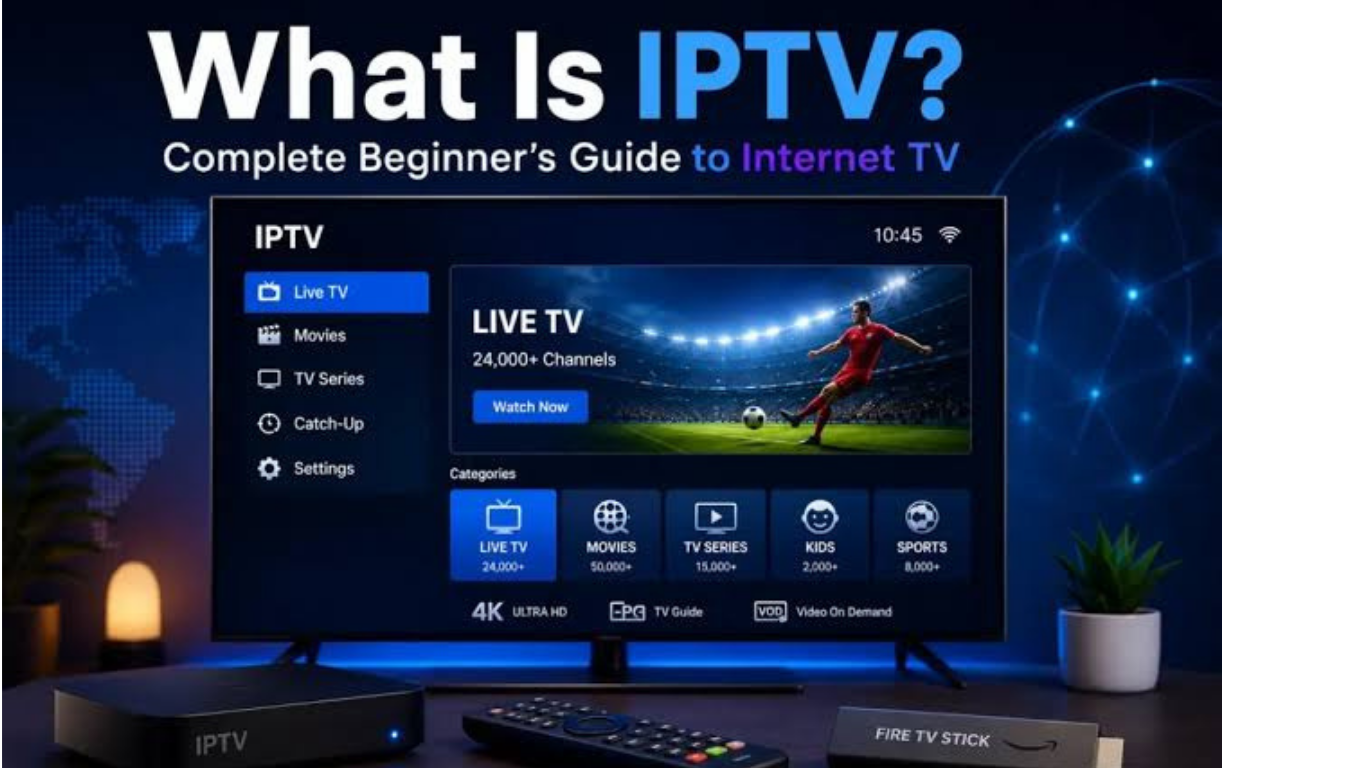
The way people watch television has changed dramatically over the last decade. Traditional cable and satellite TV are no longer the only options for enjoying live channels, sports, movies, and TV series. Today, millions of viewers prefer
IPTV UK because it offers greater flexibility, convenience, and access to entertainment through an internet connection instead of traditional broadcasting methods.
If you've recently heard about IPTV but aren't sure what it means or how it works, this comprehensive guide explains everything you need to know.
What Is IPTV?
IPTV stands for Internet Protocol Television. It is a technology that delivers television programs and video content through internet networks instead of cable, satellite, or terrestrial broadcasting.
Unlike traditional television, where channels are broadcast continuously, IPTV sends only the content you choose to watch through your internet connection. This allows viewers to stream live TV, movies, TV shows, and on-demand content on multiple devices whenever they want.
How Does IPTV Work?
Traditional television relies on satellite signals or cable infrastructure to deliver programming. IPTV uses your broadband internet connection to stream video data directly to your device.
Here's how the process works:
- Content is captured from television broadcasters.
- The content is encoded into digital data.
- The digital files are stored on secure streaming servers.
- When you select a channel or movie, the server sends the video over the internet.
- Your device decodes the stream and plays it instantly.
This process happens within seconds, creating a smooth viewing experience when you have a stable internet connection.
Types of IPTV
Most IPTV services fall into three main categories.
1. Live TV
Live television allows viewers to watch channels in real time, just like traditional cable television.
Examples include:
- News channels
- Sports events
- Entertainment channels
- International broadcasts
2. Video on Demand (VOD)
Video on Demand lets users watch movies and TV shows whenever they want instead of waiting for scheduled broadcasts.
Popular streaming services use similar technology for on-demand viewing.
3. Catch-Up TV
Catch-Up TV allows viewers to watch programs that aired previously.
Instead of recording shows manually, users can replay recently broadcast content whenever it's available.
What Devices Support IPTV?
One of the biggest advantages of IPTV is device compatibility.
You can watch IPTV on:
- Smart TVs
- Android TV Boxes
- Amazon Fire TV Stick
- Apple TV
- Smartphones
- Tablets
- Windows PCs
- Mac computers
- Gaming consoles (depending on the app)
Many services also support multiple devices under one account.
Benefits of IPTV
Greater Flexibility
Unlike traditional TV schedules, IPTV allows viewers to watch content whenever they choose.
Large Content Library
Many IPTV services include:
- Live television
- Movies
- TV series
- International channels
- Sports programming
- Kids' entertainment
Multi-Device Streaming
You can start watching on your television and continue on your smartphone or tablet.
High-Quality Streaming
Depending on your internet speed and the provider, IPTV may support:
Interactive Features
Many IPTV platforms include:
- Electronic Program Guide (EPG)
- Search functions
- Favorites lists
- Recording support
- Catch-up playbac
IPTV vs Cable TV
| Internet Required | Yes | No |
| Device Flexibility | Excellent | Limited |
| Live TV | Yes | Yes |
| Video on Demand | Yes | Limited |
| Installation | Simple | Professional installation often required |
| Portability | High | Low |
Internet Speed Required for IPTV
A reliable internet connection is essential.
Recommended speeds include:
- SD Streaming: 5 Mbps
- HD Streaming: 10 Mbps
- Full HD: 15–20 Mbps
- 4K Streaming: 25 Mbps or higher
Faster internet generally provides a smoother viewing experience with less buffering.
Is IPTV Legal?
The technology behind IPTV is completely legal. Many telecommunications companies and licensed streaming platforms use IPTV technology to deliver television services.
However, legality depends on whether the provider has the appropriate rights to distribute the content. Before subscribing, choose a provider that operates legally and respects broadcasting licences.
What Do You Need to Use IPTV?
Getting started with IPTV is straightforward.
You'll generally need:
- A stable broadband internet connection
- A compatible device
- An IPTV player application (if required)
- A subscription from a licensed IPTV provider
Common Features of Modern IPTV
Many providers offer features such as:
- Electronic Program Guide (EPG)
- Multi-screen support
- Favourite channel lists
- Video on Demand
- Catch-Up TV
- Multiple language options
- HD and 4K streaming
- Cloud-based playlist
Advantages of IPTV
There are many reasons why people are switching to IPTV.
Convenient Viewing
Watch television whenever and wherever you want.
Huge Channel Selection
Access local and international programming from one platform.
Better Viewing Experience
Modern interfaces make browsing channels much easier than traditional cable boxes.
Regular Content Updates
Many services frequently update movies, TV shows, and live channels.
Works Across Multiple Devices
Switch between your TV, laptop, and smartphone without changing your subscription.
Possible Limitations of IPTV
Like any technology, IPTV also has some limitations.
Internet Dependency
A slow internet connection can affect streaming quality.
Network Congestion
Heavy internet usage may occasionally cause buffering.
Provider Quality
The overall experience depends on the reliability of the IPTV provider.
How to Choose the Best IPTV Provider
- High server uptime
- Stable streaming performance
- Good customer support
- HD and 4K availability
- Device compatibility
- Electronic Program Guide
- Trial availability
- Secure payment methods
- Licensed content where applicable
Taking time to compare providers can help you find a service that meets your viewing needs
Why IPTV Is Growing in Popularity
Several factors have contributed to the rapid growth of IPTV.
Consumers increasingly want:
- Flexible viewing schedules
- Multi-device access
- On-demand entertainment
- Internet-based streaming
- Better value compared with traditional TV packages
As broadband speeds continue to improve worldwide, internet-delivered television is becoming an increasingly common way to watch content.
Frequently Asked Questions
What does IPTV stand for?
IPTV stands for Internet Protocol Television, a method of delivering television content over internet networks instead of traditional cable or satellite systems.
Is IPTV better than cable TV?
It depends on your preferences. IPTV often provides greater flexibility, support for multiple devices, and on-demand viewing, while cable TV may be less dependent on internet quality.
Can I watch IPTV on a Smart TV?
Yes. Most Smart TVs support IPTV through compatible applications or built-in streaming capabilities.
Does IPTV require fast internet?
Yes. A stable broadband connection is important. For HD streaming, around 10 Mbps is commonly recommended, while 4K streams generally require at least 25 Mbps.
Is IPTV available worldwide?
IPTV technology is available globally, although channel availability and licensing vary depending on the provider and your location.
Can I use IPTV on multiple devices?
Many providers allow access on Smart TVs, smartphones, tablets, computers, and streaming devices. The number of simultaneous streams depends on your subscription.
Conclusion
IPTV has transformed the way people access television by delivering content through internet technology rather than traditional cable or satellite systems. With features such as live TV, Video on Demand, Catch-Up TV, and compatibility across a wide range of devices,
Best IPTV offers viewers greater flexibility and convenience.
When choosing an IPTV service, prioritise providers that offer reliable performance, quality customer support, and properly licensed content. As internet infrastructure continues to improve, IPTV is likely to remain an important part of the future of television and digital entertainment.